Understanding Cognitive Stimulation Therapy
NHS guidance explaining what CST involves and how it can support thinking, communication and wellbeing.
Read NHS guidance ↗
Positive emotional wellbeing is not a luxury. We strongly believe that every individual, regardless of their diagnosis, deserve to have opportunities to be themselves and we are here to provide that support.
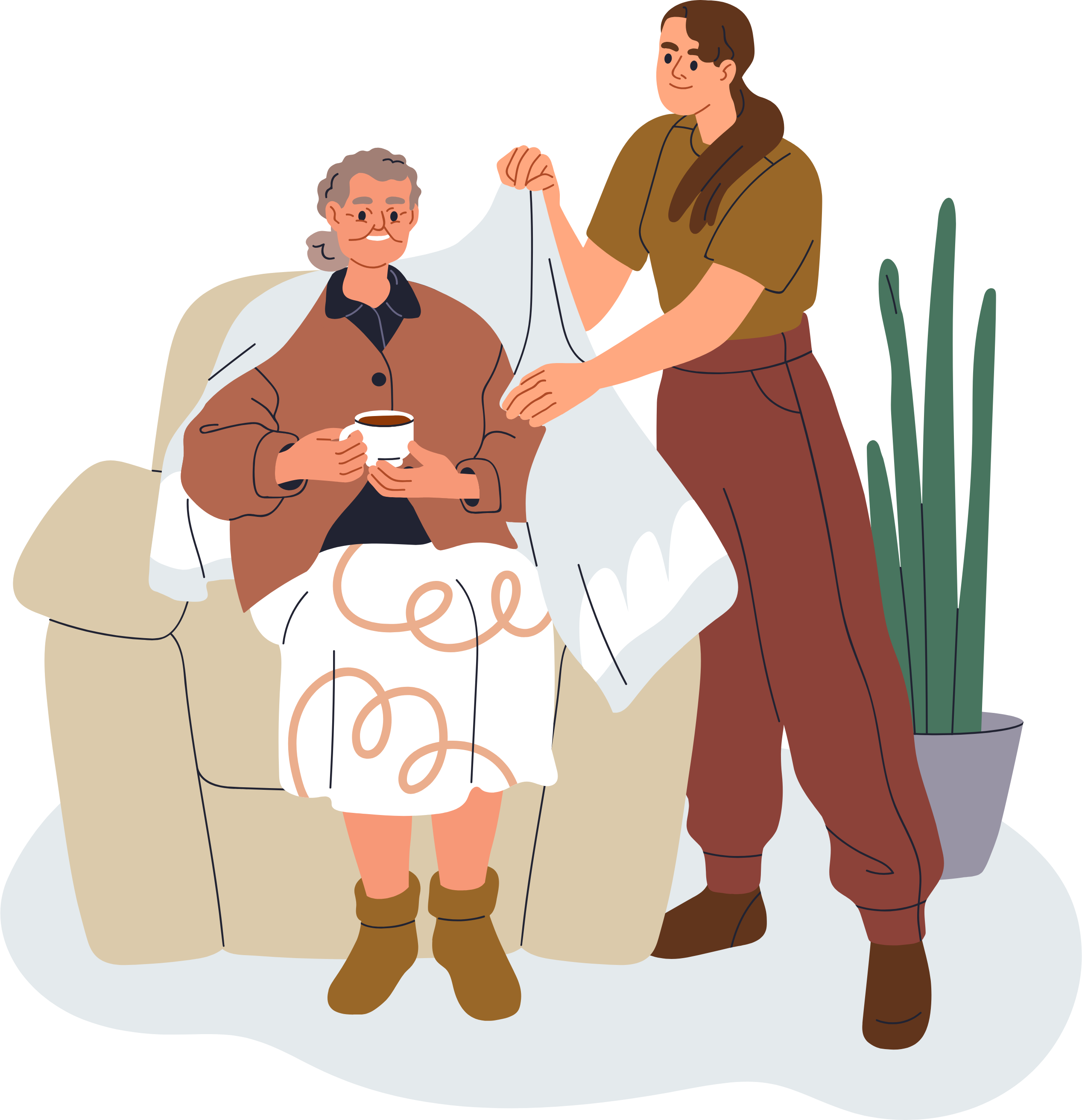
Living with dementia can bring major changes to how someone feels about themselves. People begin to withdraw from social activities, because they've lost confidence in their own abilities.
Having a trusted companion who understands dementia, knows how to respond to difficult situations and builds that confidence back can make a difference. It also gives someone the freedom to talk about things they may feel embarrassed or uncomfortable sharing with family, without feeling judged or losing their independence.
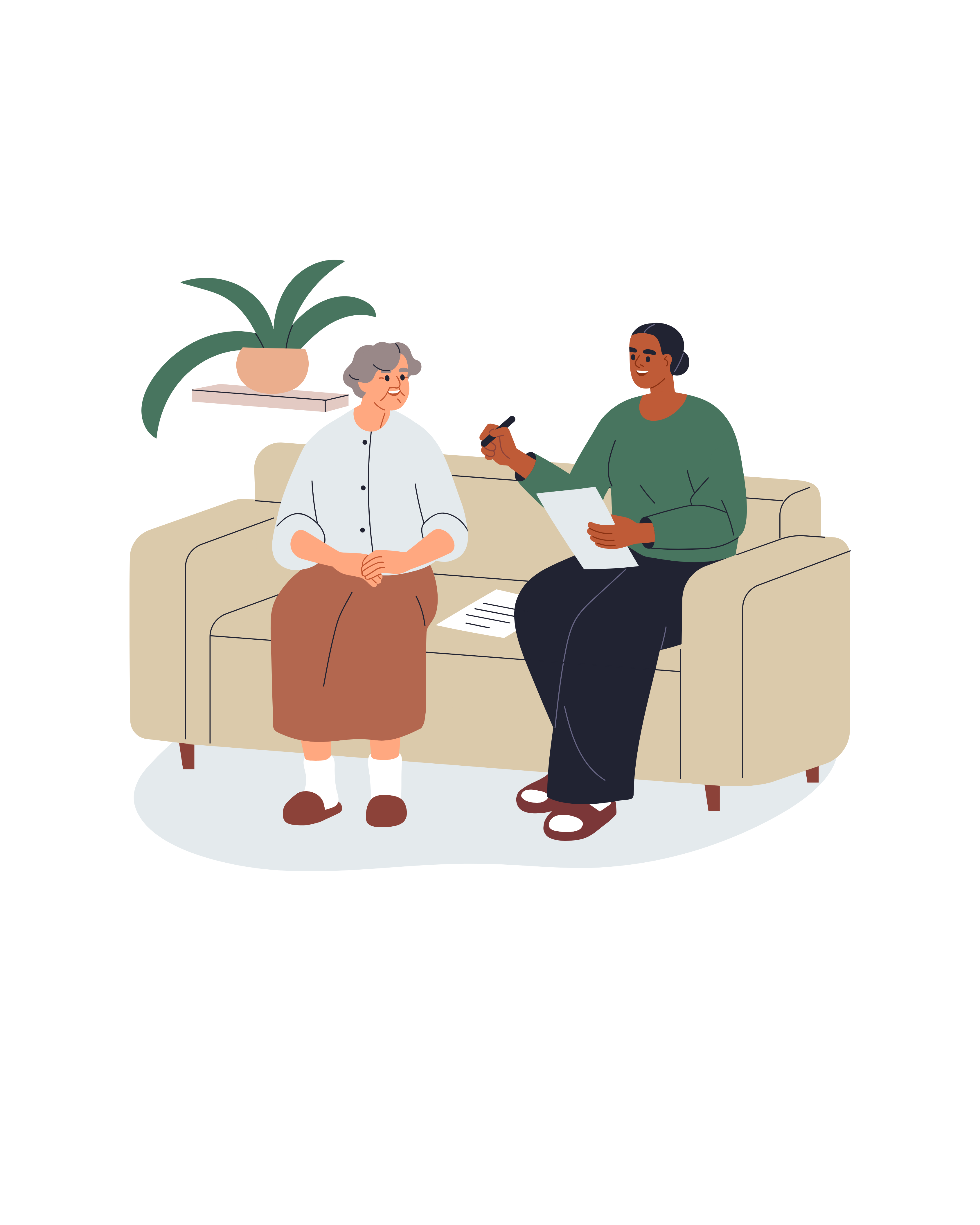
Our CST-inspired sessions follow a planned flow of activities based on each person's life story and interests, so they feel engaged, rather than just another task to complete.
By encouraging attention, memory, communication and problem-solving, we help people keep using their existing cognitive abilities. Staying mentally and socially active is also important for cognitive health and is linked to the concept of cognitive reserve.
Having someone to share your day with can make a real difference, especially when living alone or finding it difficult to get out and meet people. Our visits bring companionship through conversations, shared interests and activities that give people something to look forward to.
Regular social interaction helps keep the mind engaged and can support emotional wellbeing by reducing feelings of loneliness and isolation.


Support with shopping, hobbies, appointments and getting out into the community, helping people remain active, connected and involved.
Whether it's visiting a favourite café, attending an appointment or returning to a much-loved activity, we help individuals continue enjoying life beyond their home.
Alongside the rehabilitation team, we support people recovering from a stroke by focusing on rebuilding confidence in everyday life and gain independence.
Recovery can feel lonely and frustrating at times. Through companionship, encouragement and opportunities to get outdoors, enjoy fresh air and reconnect with the community, we help people get into routines.

We understand how difficult it can be to leave your loved one at home all day and worry about how they're getting on. Our regular visits help ensure they've had something to eat, enjoyed some company and had someone to talk to.
These check-ins offer reassurance to both the person and their family. We can also notice and highlight any concerns about their wellbeing, changes in their usual health or household maintenance needs, helping families stay informed and address concerns early.
A dementia diagnosis can bring changes that are difficult for the whole family to navigate. We offer reassurance and support for families navigating this journey.
Support may include adapting communication, dementia-proofing the home, establishing familiar routines and finding respectful ways to make everyday life easier.
Available as individual guidance or alongside ongoing Heartside support.


Individualised support built around each person's strengths, interests, routines and changing needs.
Plans can bring together companionship, cognitive stimulation, meaningful activities, relaxation and community engagement to support confidence and quality of life.
Every small choice matters. Let them choose their clothes or take part in everyday tasks rather than doing everything for them.
Offer two clear options instead of open-ended questions. Give them time to understand, respond and decide for themselves.
They may forget your words, but remember how you made them feel. Kindness, patience and reassurance can leave a lasting impression.
Trusted resources and local services that may be useful to you and your family.
NHS guidance explaining what CST involves and how it can support thinking, communication and wellbeing.
Read NHS guidance ↗Specialist dementia advice and support for families, including guidance from Admiral Nurses.
Visit website ↗Discover how familiar music can spark memories, encourage connection and bring moments of joy to someone living with dementia.
Watch the video ↗Affordable chair-based exercise classes across Milton Keynes, helping older adults stay active, improve mobility and maintain confidence.
View classes ↗Hearing loss can make dementia communication more challenging. Divine Hearing offers hearing tests, hearing aids and personalised hearing care in Woburn Sands.
Visit website ↗Private walk-in urgent care, GP appointments and blood tests with rapid results available. Convenient healthcare in central Milton Keynes.
Visit website ↗If you’re not quite sure what kind of support would help, that’s completely fine. Let's start with a conversation.