
Cognitive Stimulation, Our Way
A dementia diagnosis should not be a certificate to restrict someone or take away what that made them their unique self.
We create opportunities for people to share their life story, laugh freely, make own decisions, and live life on their own terms.
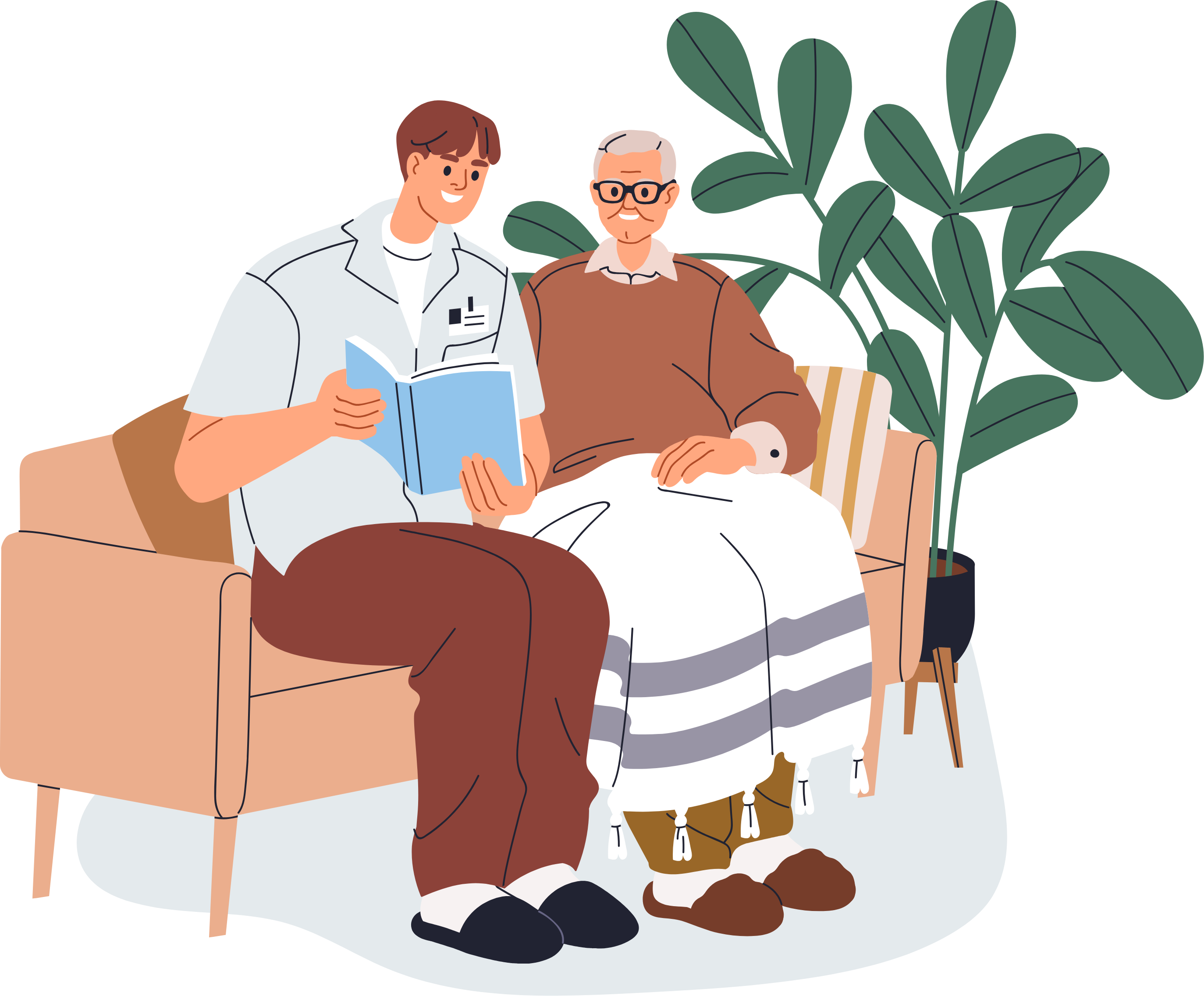
Cognitive Stimulation Therapy is more than crossword puzzles
Cognitive Stimulation Therapy (CST) is an evidence-based approach developed for people living with dementia and memory loss. It brings together themed discussions, enjoyable activities and social interaction to encourage thinking and communication. At Heartside, we draw on these principles to create one-to-one experiences in the comfort of home.

What does a CST session with us look like?
Our cognitive stimulation sessions are carefully curated to engage key cognitive abilities, including memory, attention, reasoning, communication, problem-solving, decision-making, fine motor skills and hand-eye coordination. Each session is structured around the person's strengths, interests and abilities, with meaningful activities that provide the right level of challenge.
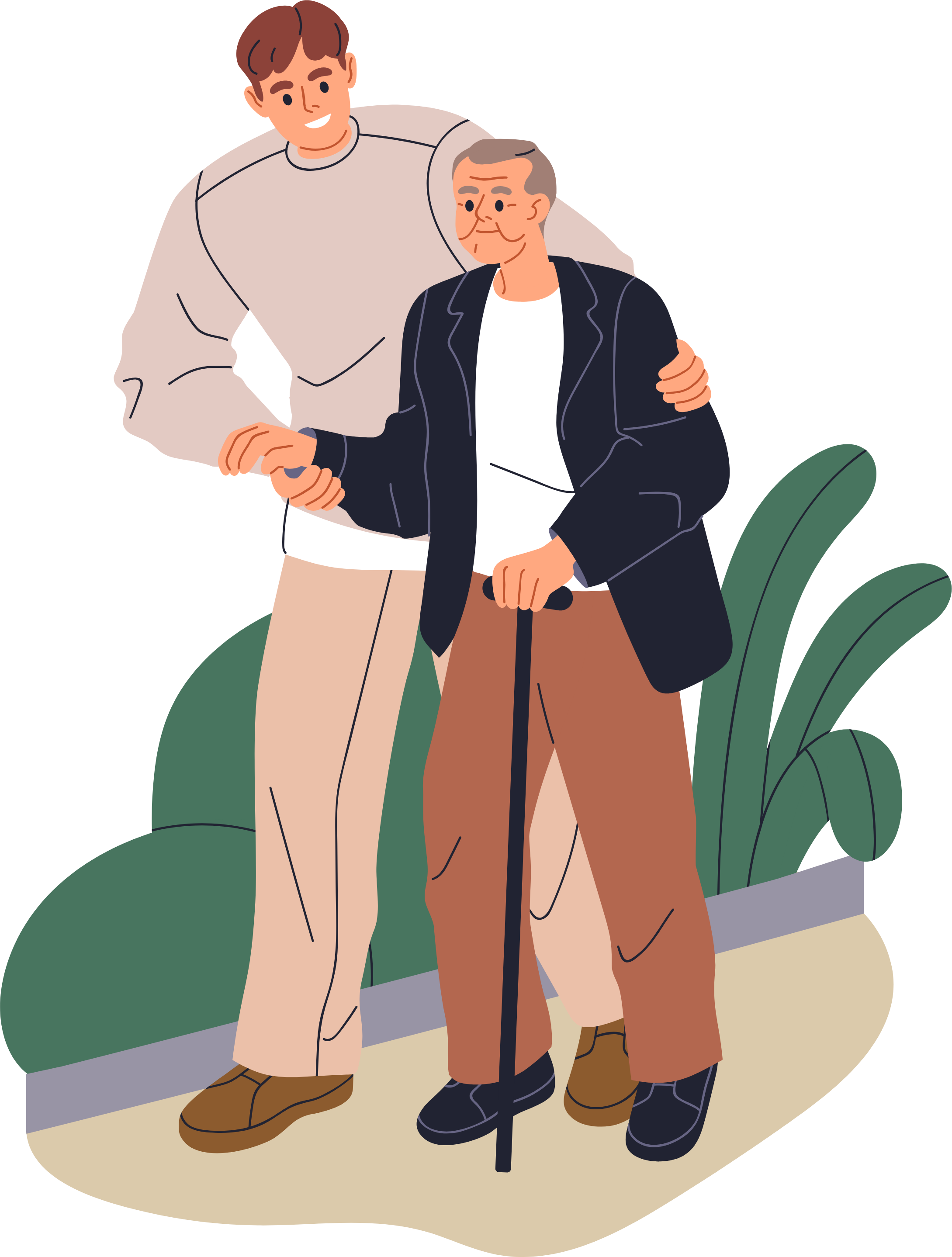
Sessions can take place in the comfort of your own home through structured cognitive exercises, creative activities, reminiscence, practical tasks and favourite hobbies. For those wishing to maintain physical fitness and enjoy the outdoors, we can also incorporate nature walks and community outings, creating opportunities for movement, sensory stimulation, observation, conversation, coordination and independent thinking.
Our focus is on making cognitive stimulation purposeful, enjoyable and relevant to the individual, while encouraging confidence, independence and a sense of achievement.
Who is Cognitive Stimulation for?
Meaningful cognitive engagement isn't only for people living with dementia. Our sessions are designed to adapt to individual needs.
Alzheimer's & other Dementias
Personalised engagement adapted to different cognitive abilities.
Memory difficulties
Helps engage memory, attention and thinking.
Limited cognitive stimulation
For older adults seeking more mental challenge in everyday life.
Social isolation
More opportunities for conversation, expression and connection.
Cognitive wellbeing
For those wishing to stay mentally active and engaged.
What happens when we engage the mind?
Cognitive Stimulation & Thinking Skills
- Attention
- Reasoning
- Processing speed
- Problem-solving
The mind is encouraged to recognise patterns, process information, make connections and work through decisions. These activities provide opportunities to practise different thinking skills at a level that feels stimulating without becoming overwhelming.
Reminiscence & Life Story
- Long-term memory
- Language
- Communication
- Identity
Familiar memories create opportunities to recall experiences, find words, share stories and express a sense of identity. Meaningful conversations can also strengthen feelings of connection and being understood.
Creative & Practical Activities
- Planning
- Sequencing
- Fine motor skills
- Decision-making
The mind and hands work together as a person makes choices, organises steps and completes a desired task. This encourages active participation, independence and a sense of accomplishment.
Music, Movement & Sensory Engagement
- Attention
- Rhythm
- Communication
- Coordination
Familiar sounds, rhythms and movement can engage attention, encourage emotional expression and bring together sensory awareness and physical coordination. They may also spark memories and spontaneous conversation.
Built around the person, not a worksheet
Activities should encourage thinking without creating unnecessary pressure or frustration.
We observe how each person responds, allowing time for independent thinking, conversation and decision-making. If something feels too easy, we introduce a new challenge. If it becomes overwhelming, we adjust our approach.
As abilities and needs change, our sessions evolve too, keeping the person involved, supported and engaged in their experiences.
Kind words from our Heartside Family
“Excellent CST session led by Hitakshi. She provided an excellent variety of activities which she adapted to individuals needs, whilst showing empathy and interest without being patronising. Thanks very much Hitakshi.”
Curious whether CST could be right for your loved one?
Tell us a little about your loved one's interests, abilities and support needs. We'll discuss how personalised cognitive stimulation could fit into their everyday life and explore the next steps together.