Looking for support for yourself or someone you love?
Call us on 07515 129586

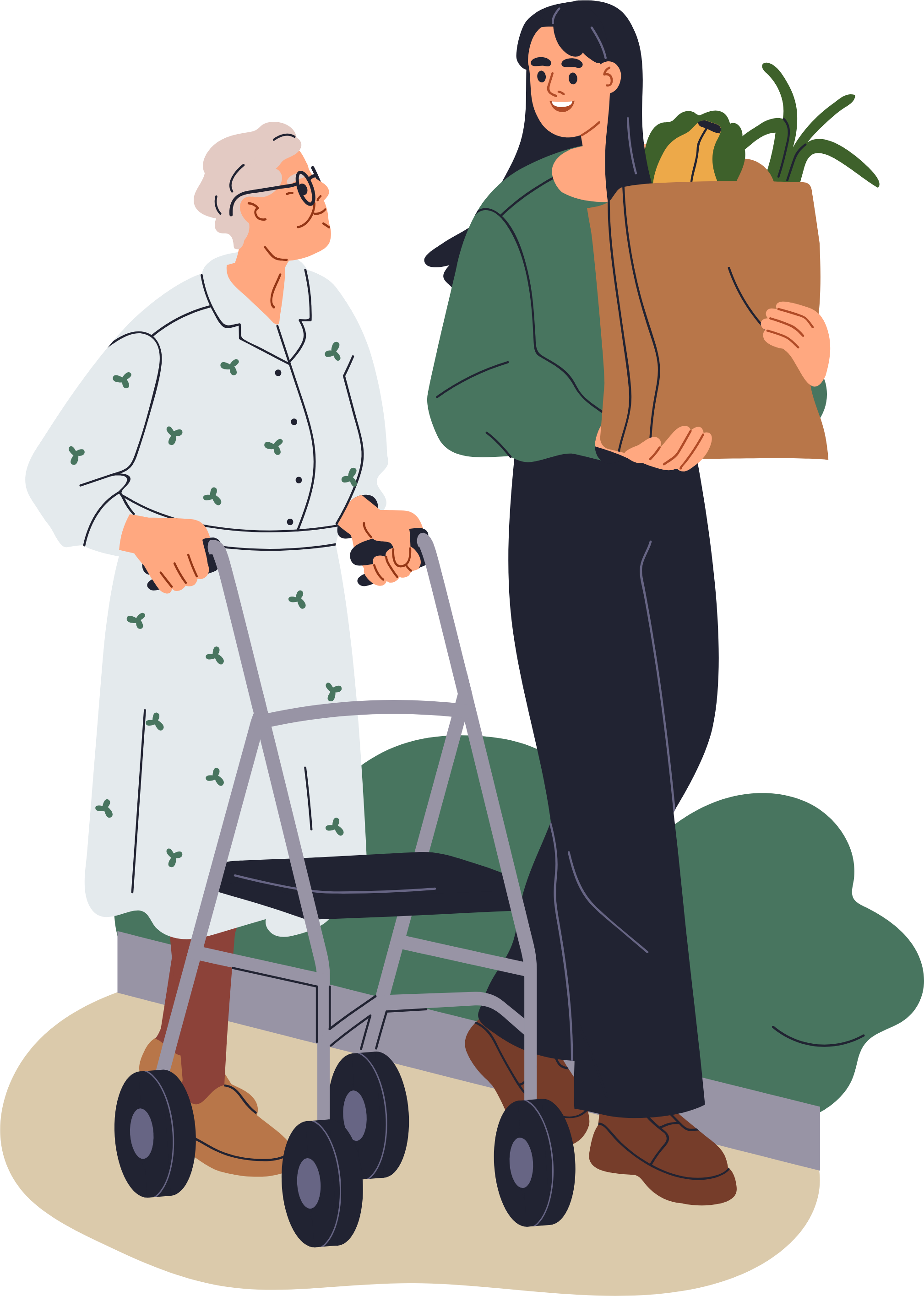
At Heartside Care, our aim is to revolutionise the traditional approach by designing a care system that understands the person before the diagnosis, our support aims to engage the mind through cognitive stimulation, we design activities and create opportunities to help people stay connected with their individuality.
Explore our support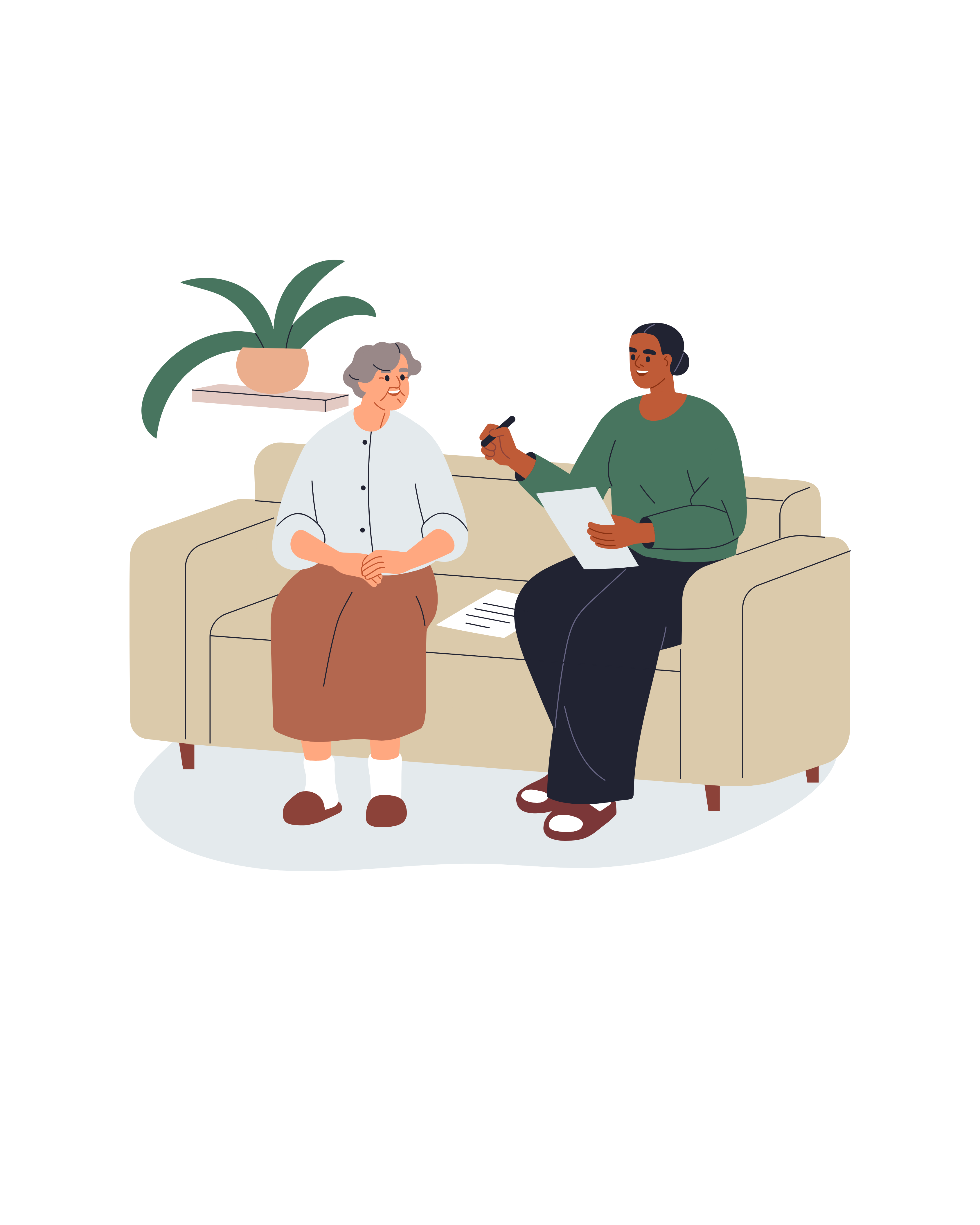
CLINICAL GROUNDING
CST is a NICE-recommended intervention for people living with mild to moderate dementia, helping them keep their minds active through engaging activities and conversations.
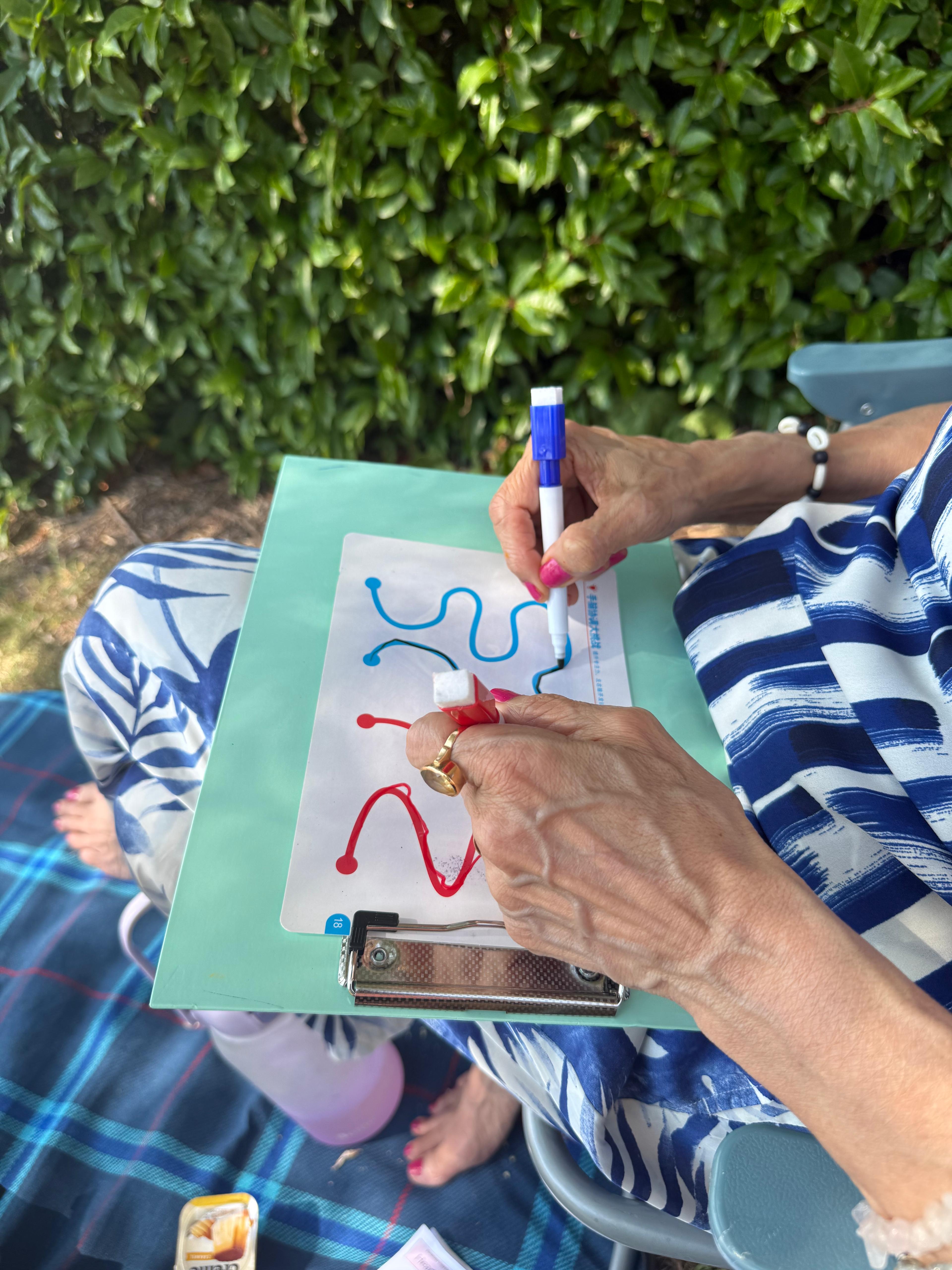
Our bespoke CST-inspired sessions combine reminiscence, sensory engagement, music and Montessori principles to encourage memory, attention, communication, decision-making and other skills.
Learn more about CST at home →OUR PHILOSOPHY
After years of care experience, we aim for crisis prevention, by designing the right support before an individual reaches a crisis point and can no longer help themselves. We start supporting people from the earlier stages, helping them stay stable, independent and involved while they can still make decisions about their own support.
MEANINGFUL ENGAGEMENT
The Montessori approach focuses on what a person can still do, rather than what they may find difficult. It encourages independence, equality and independence through familiar activities.
At Heartside, we use Montessori-inspired principles to help people living with dementia remain actively involved in everyday life. From creative activities and organising photographs to practical tasks and decision-making, we build on each person's interests, strengths and life experiences.
HOW WE SUPPORT YOU
Life shouldn't become limited to four walls because of a disability. We want your loved one to continue visiting places they enjoy, exploring their community and making new memories, without losing the freedom and independence they've always valued.
Learn more ›By creating opportunities for people to connect, share experiences and build meaningful relationships, we help reduce loneliness and brings more joy into our clients' life.
Learn more ›Every person has a lifetime of interests, talents and things they've loved doing. Why should those stop because their circumstances have changed? We help your loved one reconnect with those parts of themselves, bringing back enjoyment, confidence and that wonderful feeling of being able to say, “I did that myself.”
Learn more ›REASSURANCE
When caring for a loved one becomes overwhelming, Heartside helps you find peace of mind and more time to be together.
THE DIFFERENCE
We focus on thoughtful, personalised wellbeing support rather than a one-size-fits-all approach.
Heartside focuses on meaningful engagement, cognitive wellbeing and helping people continue living life on their own terms. Rather than checking basic tasks, we take time to understand each person's interests, abilities and routines, building trusted relationships and encouraging independence wherever possible.
These approaches encourage people to stay mentally active, make choices and participate in meaningful activities. By building on familiar interests, strengths and life experiences, we aim to support confidence, communication, and enjoyment in ones life. Every person's experience is different, so sessions are tailored to their individual needs.
Yes. Heartside provides support in people's own homes across Milton Keynes and surrounding areas. We believe familiar surroundings can help people feel comfortable and confident. Where appropriate, sessions can also include outings and activities in the community.
Why does someone living with dementia suddenly lose interest in things they've always loved? In my latest article, I explore what might be happening in the brain and how understanding someone's life story can help families support them differently.
Read Hitakshi's Latest Article
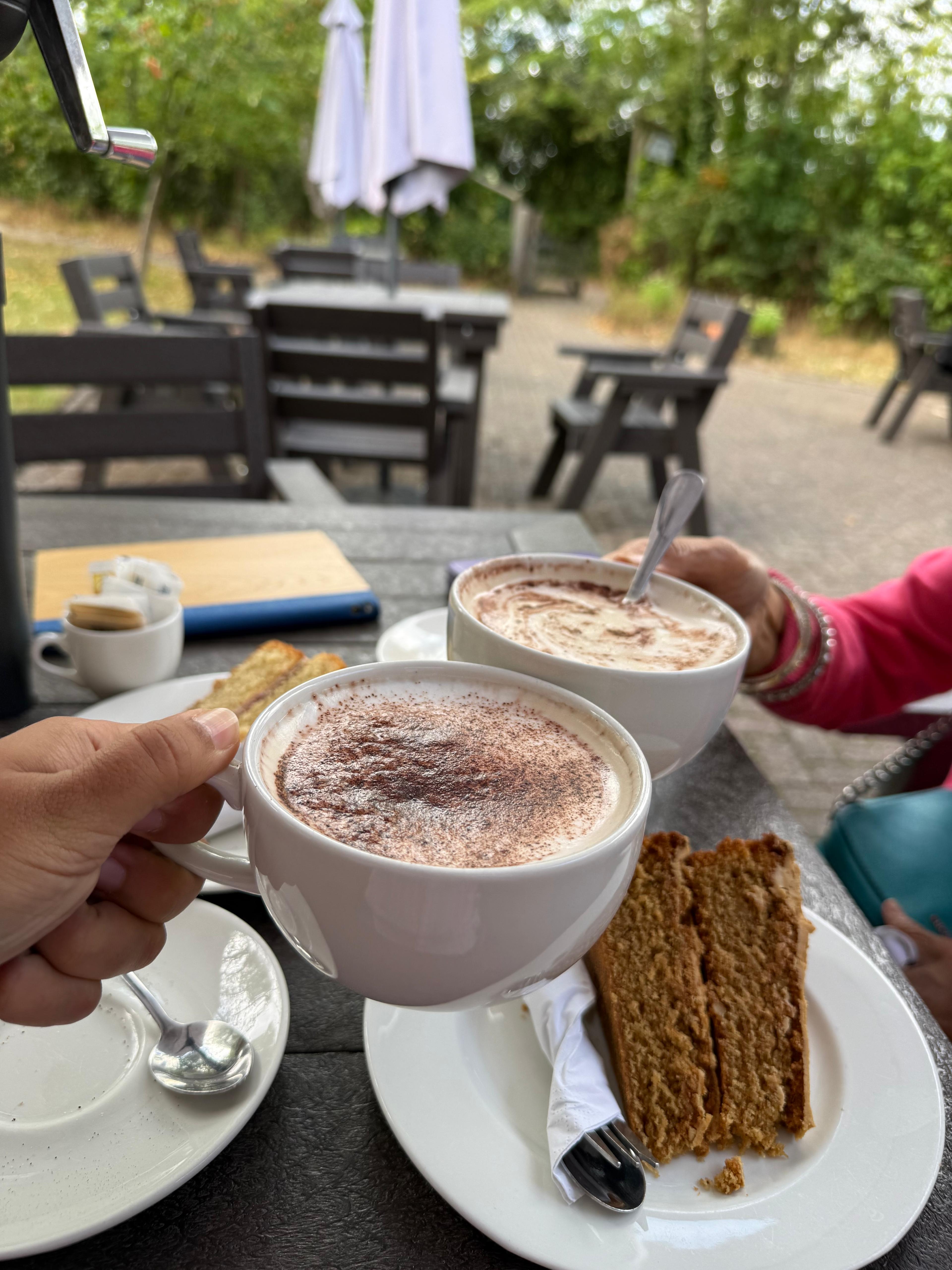
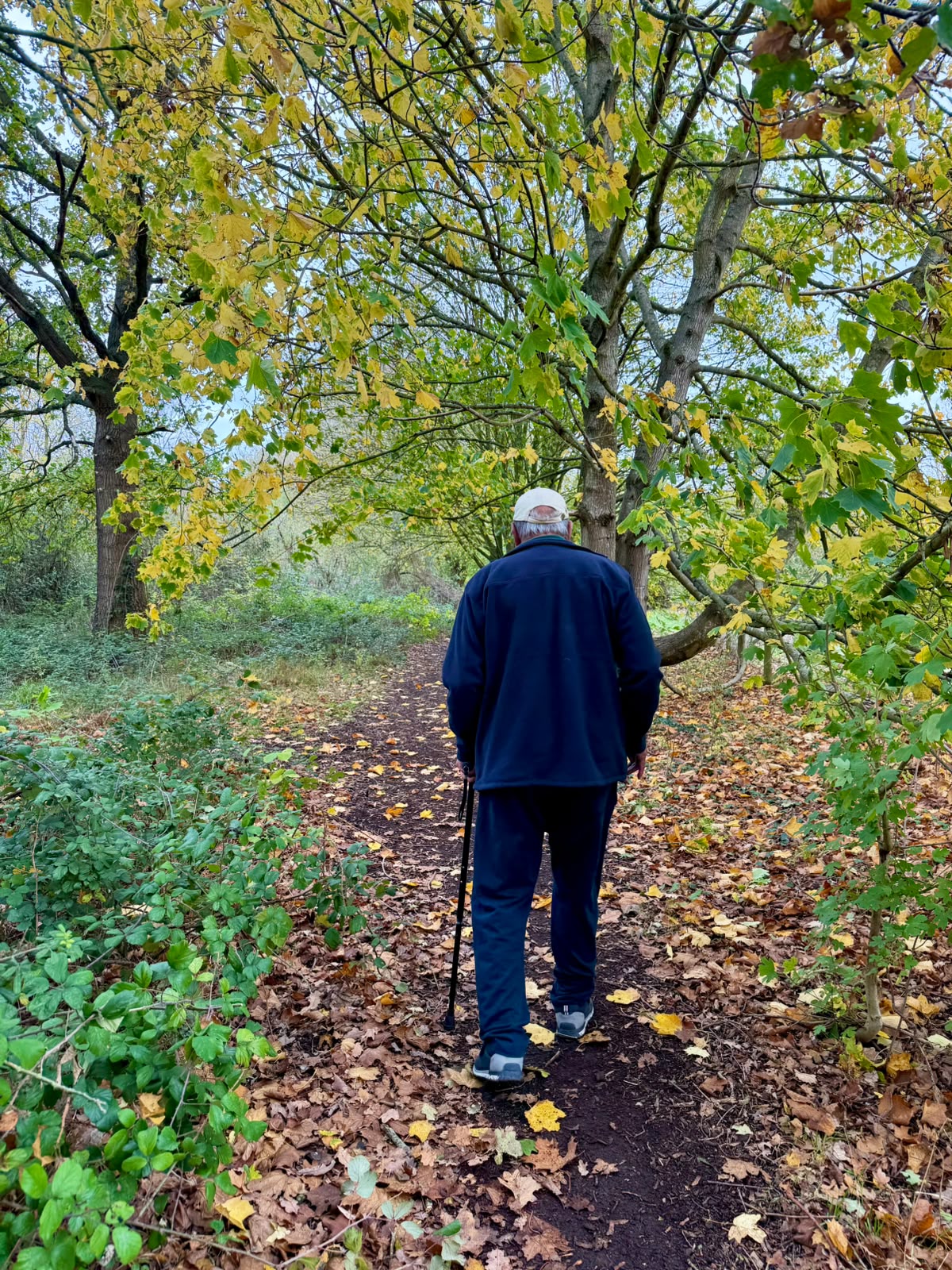
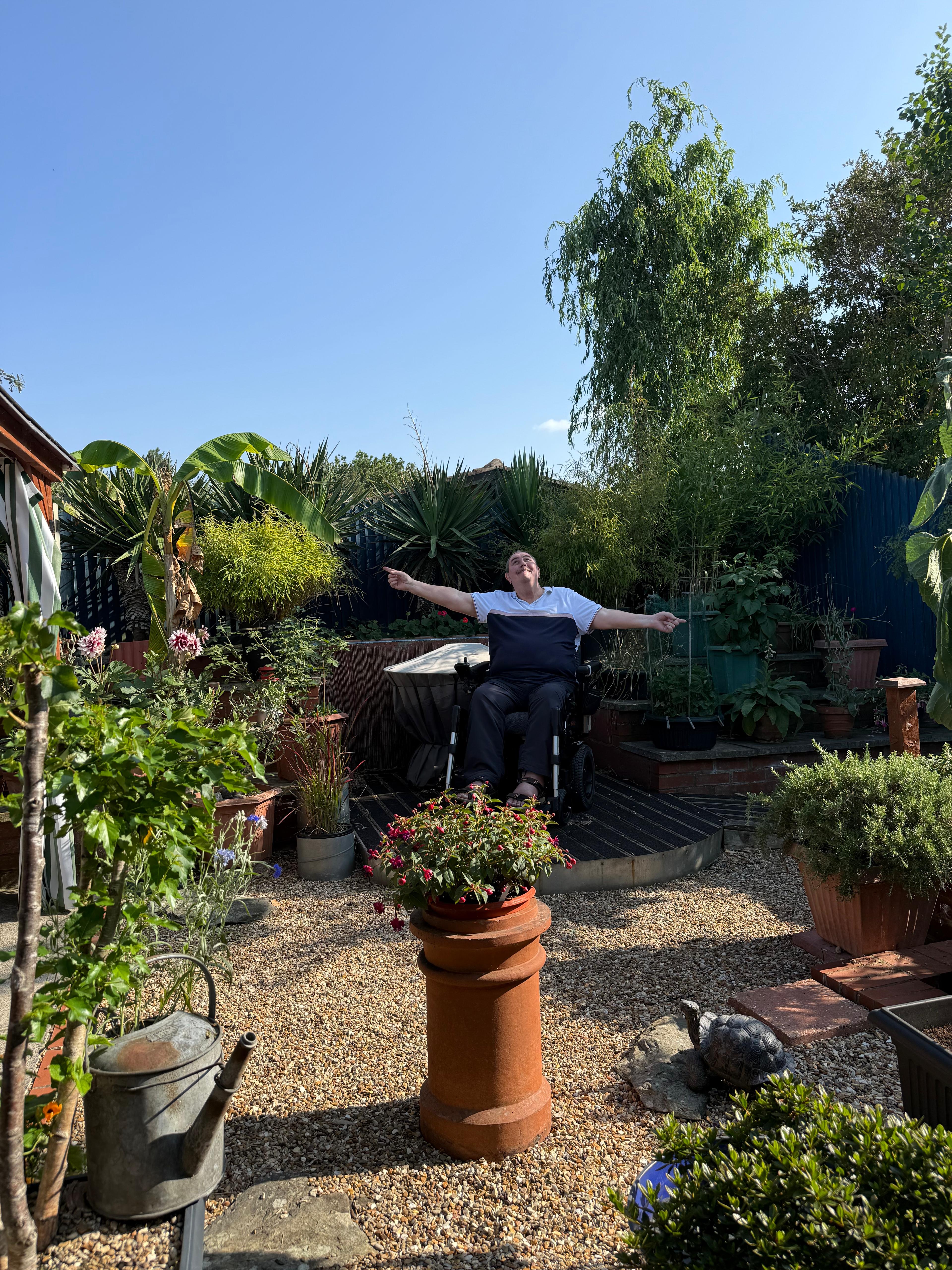
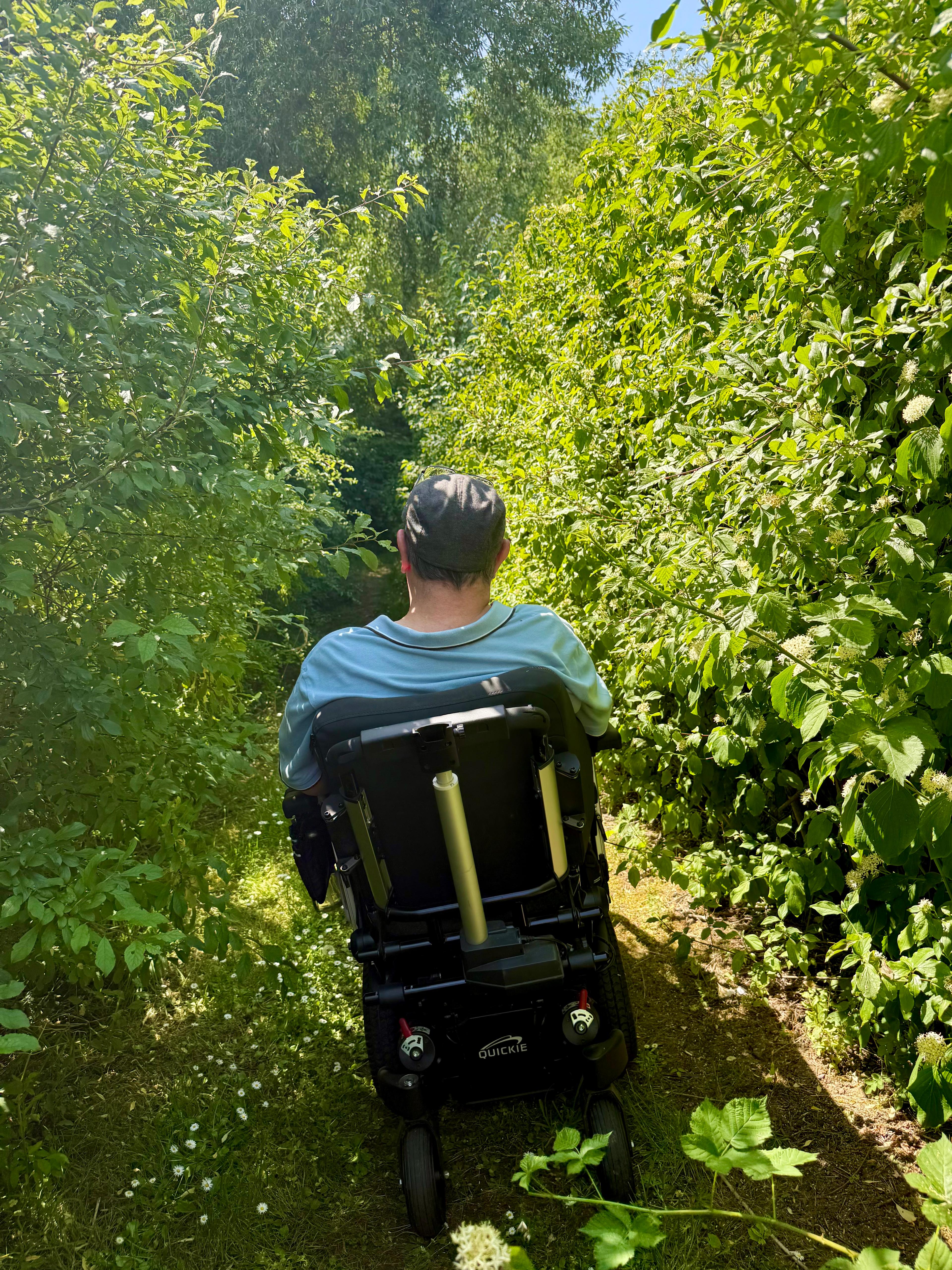
“Very happy with Heartside Care. Hitakshi has been a breath of fresh air & is really helping my dad to get out & about more. Would highly recommend!”
Using our interactive brain, explore different parts of the brain and how it affects an individual.
*The hippocampus is deep inside the temporal lobe and is not directly visible from this surface view. This is a simplified educational guide, not a diagnostic map. Symptoms vary. Anatomy adapted from Brainlobes.svg (public domain).
START THE CONVERSATION
We understand care from first hand experience. Our first step is a conversation to listen to your story and explore how we can help.